



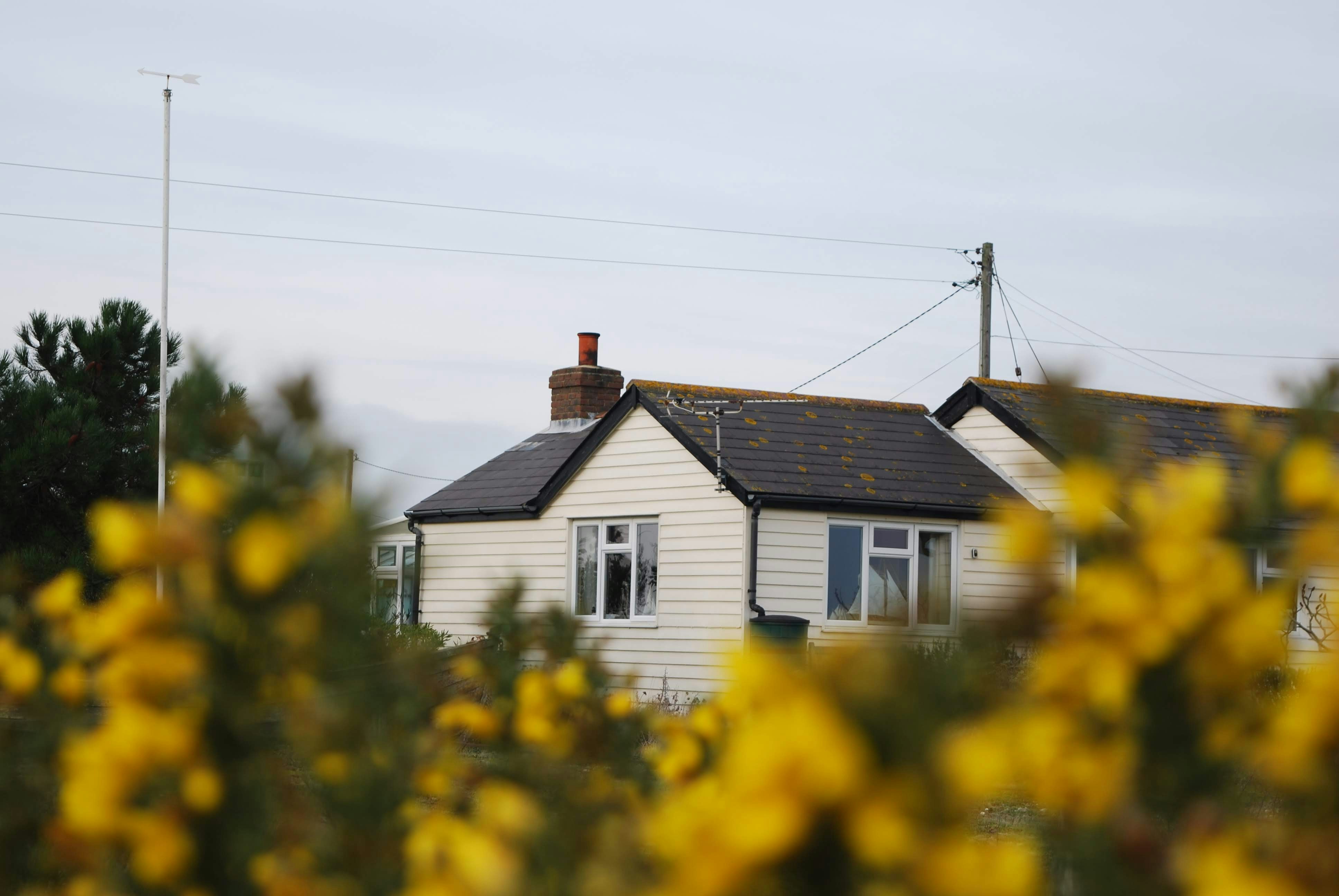
There’s a version of your life that lives somewhere between a Zillow scroll and a late-night “just looking” spiral.
It has the white kitchen, big windows, and yard that somehow always looks manicured. Maybe even a dog. It’s less about the house itself and more about how it makes you feel.
You’ve been there before. Mentally moving in, rearranging furniture, imagining a version of your life that feels just a little more put together than the one you’re in now.
Then you look at the price and close the app.
The Dream Got… Expensive
For many young people, the idea of homeownership didn’t disappear. It just got harder to reach.
Prices climb, rates shift, and inventory tightens up. Suddenly, what used to feel like a stretch goal started to feel out of range, out of timing, or just out of sync with reality.
So instead, the search changed.
More scrolling, less doing. More listings saved, but fewer showings.
When Browsing Becomes the Plan
Apps like Zillow and Redfin were supposed to make homebuying easier. And they do, in a lot of ways.
But they also quietly turned house hunting into something else entirely. A form of entertainment.
You scroll through homes the same way you scroll through social media. Curated, polished, filtered to perfection.
Every listing feels like it’s competing for your attention:
- The best lighting
- The cleanest finishes
- The most aspirational version of what a home could be
And over time, something subtle happens. Your expectations shift.
Not because you’re unrealistic, but because you’re constantly seeing the best version of everything.
The Problem With “Perfect”
The house you think you want is usually built on a highlight reel.
It’s the fully renovated kitchen, the finished basement, the move-in-ready everything.
But when you step back, the life you actually want might look a little different.
It might include:
- A shorter commute
- A manageable payment
- Space to grow into
- The ability to still take a vacation, go out to dinner, or just breathe financially
And those two things, the dream house and real life, don’t always line up perfectly.
Waiting Has a Cost, Too
There’s a quiet assumption a lot of people make: “I’ll wait until I can afford exactly what I want.”
It’s not just about money, though that part matters. Prices don’t always come down and rent rarely goes backward, so it also costs you time.
Time spent:
- Paying rent or someone else’s mortgage
- Putting off stability
- Delaying a version of life you could already be living
At some point, waiting for the perfect home can start to look a lot like standing still.
The Shift: From Dream Home to Right Home
The goal doesn’t have to be lowering your standards. It’s about changing the question.
Instead of: “Is this my dream home?”
Try: “Does this home support the life I actually want right now?”
That might mean:
- A home that needs a little work
- A different neighborhood than you imagined
- Less square footage, but more financial flexibility
It might not check every box. But it can still check the ones that matter most.
You Don’t Have to Finish the Story Today
One of the biggest misconceptions about buying a home is that it has to be the final version.
It doesn’t.
The right home today can become something more over time.
Paint changes, kitchens get updated, and basements get finished.
Lives evolve, and homes can evolve with them.
But you can’t improve a home you never move into.
A Better Way to Think About It
The goal isn’t to settle. It’s to start.
To find something that works for you, your budget, your lifestyle, and your timeline, and build from there.
Because the life you actually want?
It probably doesn’t require perfection. Just a place to begin.